
Why Weir Walks Matter in Avoca
The Avoca Valley's weir system tells the story of Ireland's industrial heritage. These aren't just water structures — they're gateways to understanding how mills operated for centuries and how the river shaped the landscape. The walks we've mapped out take you directly to three of the most scenic weirs, each with its own character and viewpoint.
What makes these walks special? They're manageable. You won't find yourself scrambling up steep hills or navigating technical terrain. Instead, you'll walk on established paths where the sound of water guides you. The pathways are well-maintained, benches appear at natural resting points, and the views change with every turn.
The Lower Weir Route (1.5km)
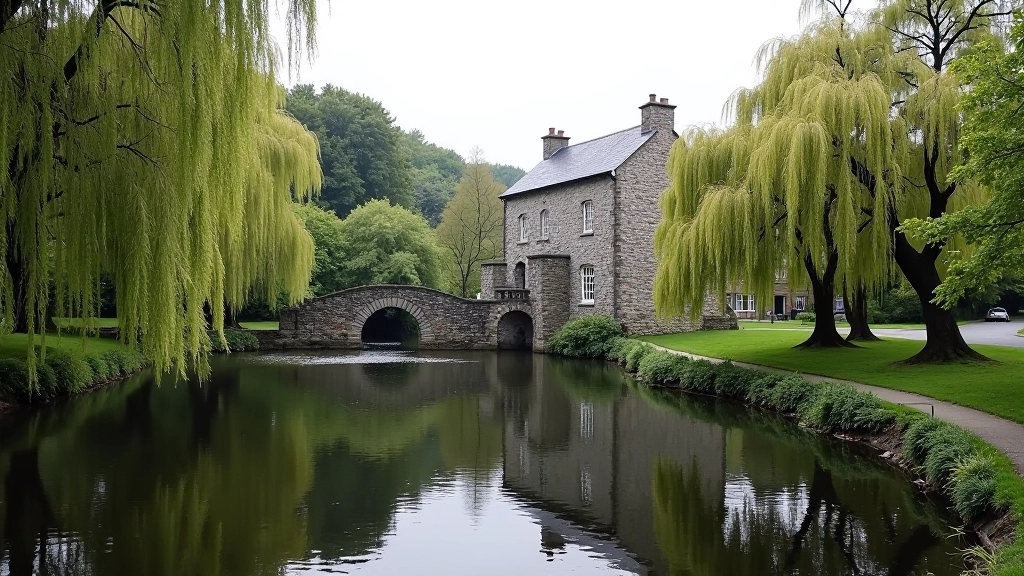
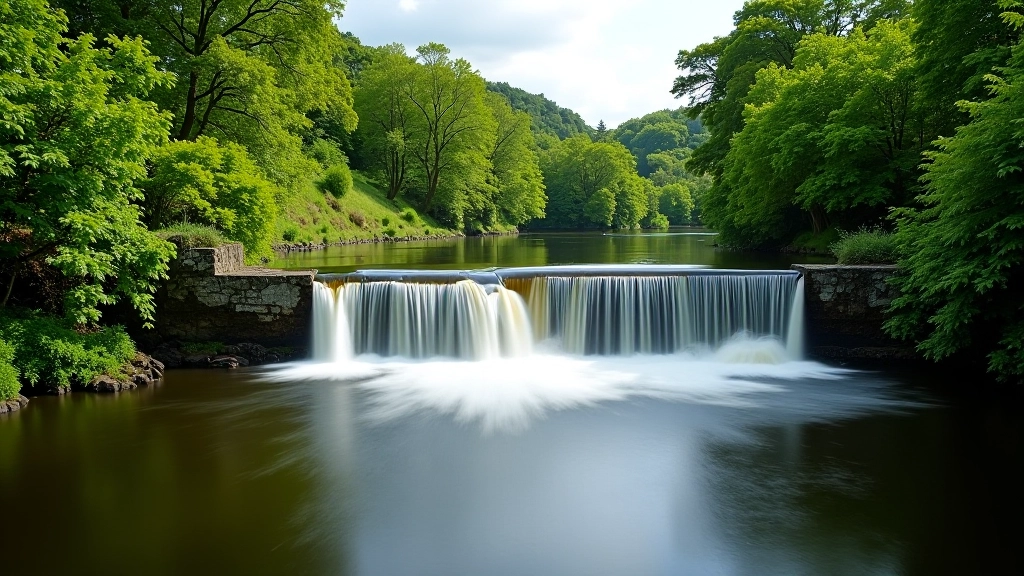
This is your shortest option, perfect if you've got limited time or you're easing back into walking. The Lower Weir sits closest to the village, making it accessible for most fitness levels. You'll walk along the riverbank with the water constantly beside you, watching how it flows and eddies around the weir structure itself.
The path here's quite flat. There's minimal elevation change, and you'll find good grip underfoot even after rain. One particular stretch opens up where you can see across the valley — that's where most people stop to take photos or just sit and listen to the water.
Quick Facts: Lower Weir
- Distance: 1.5km round trip
- Duration: 25-35 minutes
- Elevation gain: Minimal (under 20m)
- Surface: Gravel path, some grass sections
- Best for: First-time walkers, limited mobility
The Middle Weir Trail (2.5km)
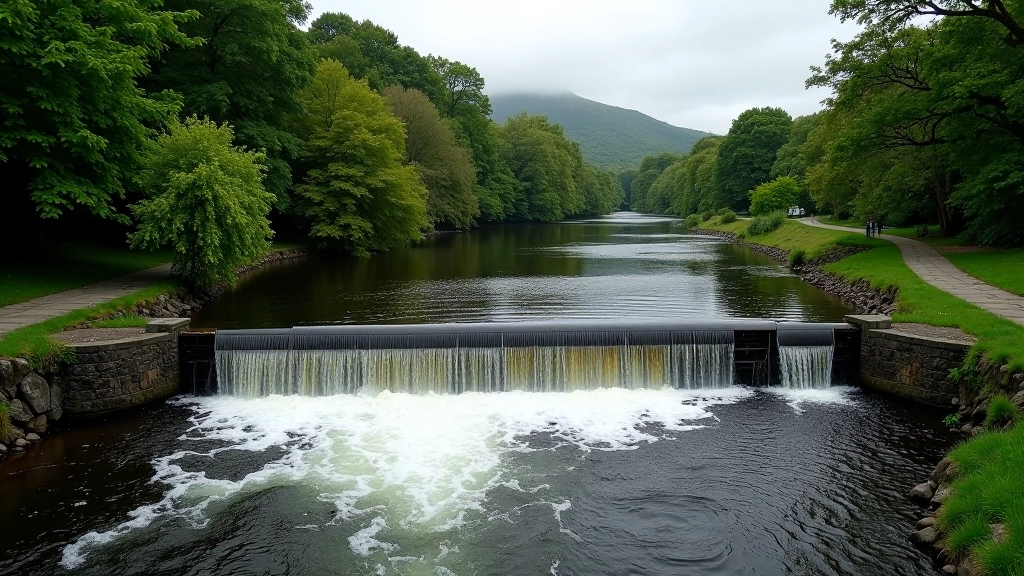
This route connects the Lower Weir to a second, equally impressive weir structure upstream. You're getting a proper walk here — there's a bit more elevation, maybe 50-60 metres total, but it's spread out so you don't feel it all at once. The path winds through sections where trees create natural shade, which is brilliant on warmer days.
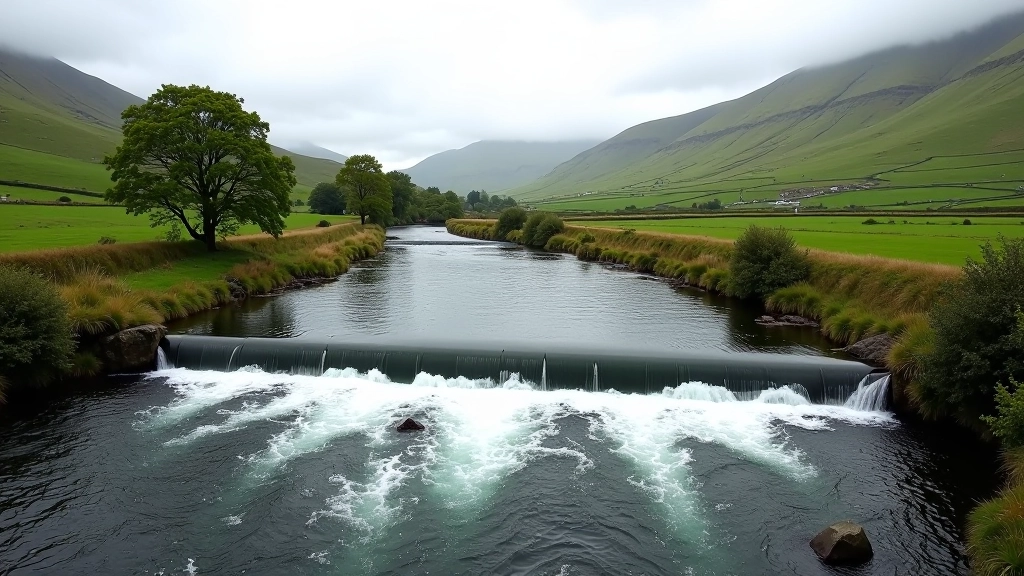
The Middle Weir itself is where the river shows more power. You'll see the water moving with real force here, and the engineering that created the weir becomes obvious — it's not a small structure. There's a viewpoint where you can stand back and take in the whole scene, and honestly, it's worth the walk just for that spot.
The Upper Valley Loop (3.5km)
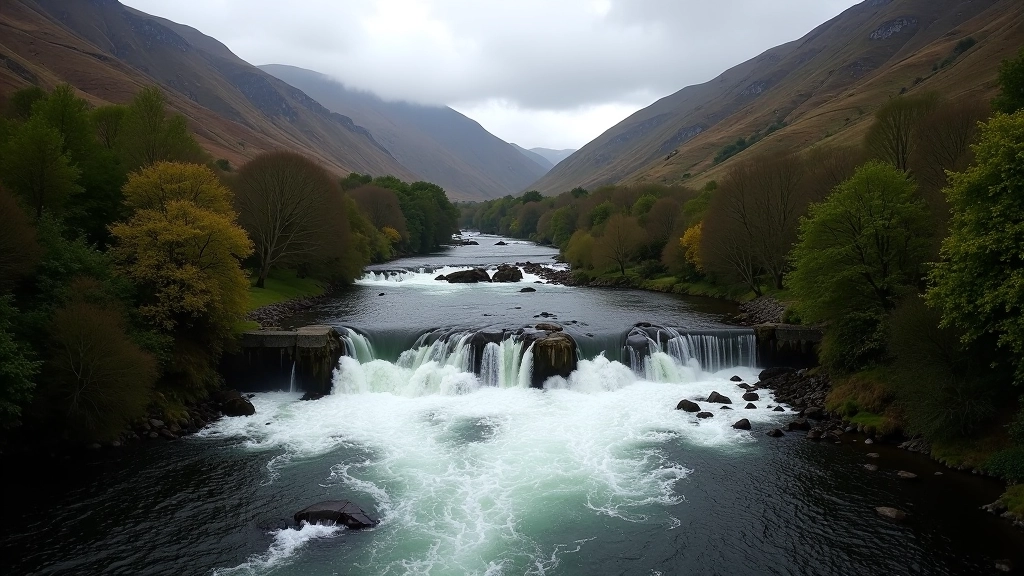
This one's your full experience. You're covering the most ground and seeing three distinct water features across the route. The Upper Valley Loop takes you upstream to where the river narrows and the valley sides close in. It's more challenging — there's proper elevation gain here, maybe 100+ metres over the course of the walk — but the payoff is real.
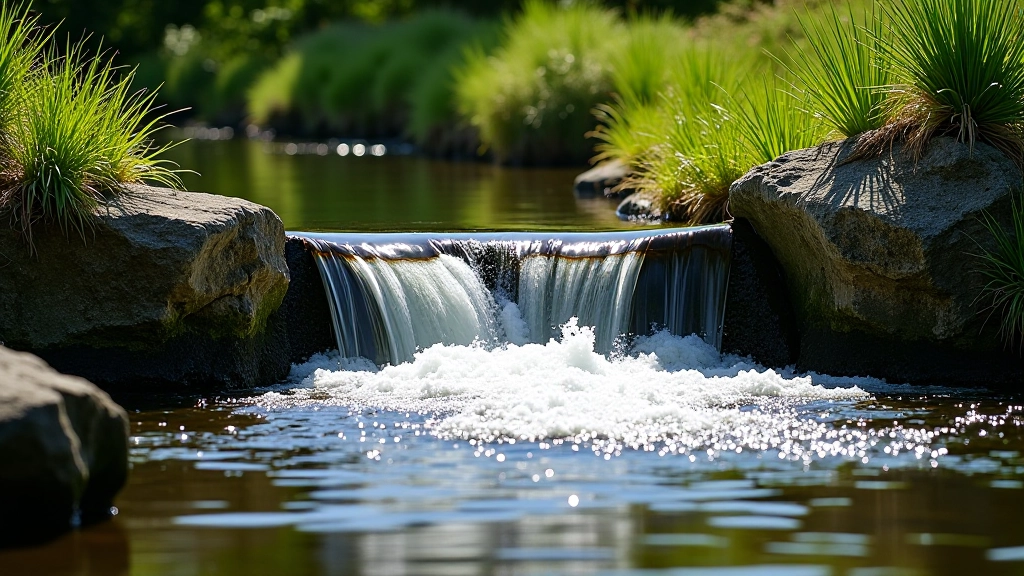
You'll encounter rockier sections and some spots where careful footing matters. The paths here feel less polished, more like you're actually exploring. But that's part of the charm. You're seeing the valley as it genuinely exists, not a sanitised version. The Upper Weir appears suddenly around a bend, and it's the most dramatic of the three — water moves differently here, faster and more turbulent.
Information Note
This article is for informational purposes about the walking routes in the Avoca Valley. Weather conditions, water levels, and path conditions can change seasonally. We recommend checking local conditions before your visit and wearing appropriate footwear for each route. If you have mobility concerns or health considerations, consult with your healthcare provider before undertaking any walking activity.
Walking Tips for Avoca's Weir Routes
Footwear Matters
Wear shoes with good grip. Riverside paths get damp, especially near the weirs where mist and spray keep things wet. Trainers or hiking boots work better than casual shoes.
Respect the Water
The weirs create strong currents. Don't attempt to cross the river or get closer to the water structures than the established paths allow. Children should stay close to adults at all times.
Pack Essentials
Bring water, even on short walks. The riverside paths expose you to sun and wind. A light layer helps because it gets cooler near the water, and weather can shift quickly in the valley.
Time Your Visit
Early morning or late afternoon visits mean fewer crowds and better light for photos. The valley's quieter, and you'll hear the water better. Avoid midday in summer if you're sensitive to heat.
The Heritage Context
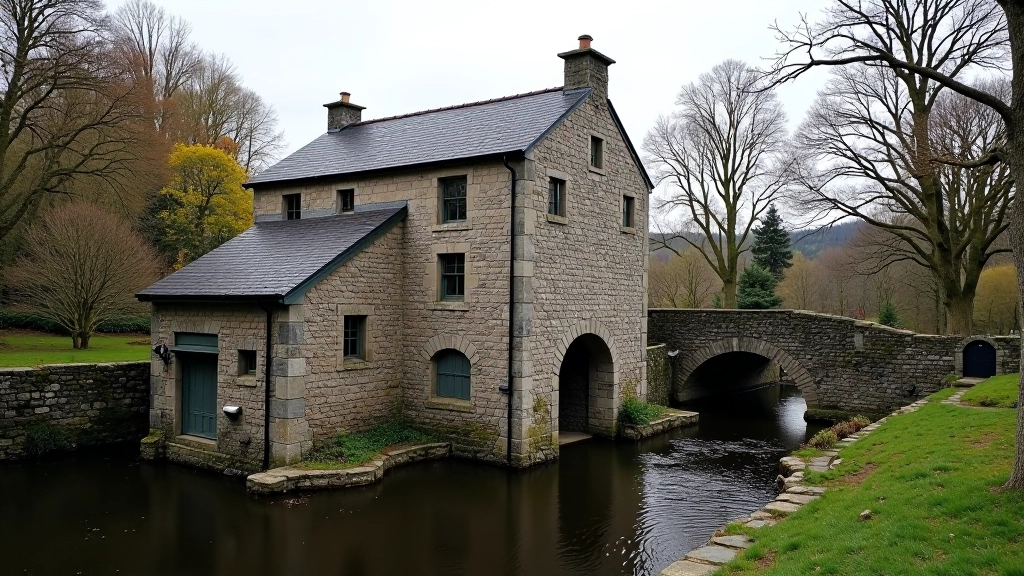
These weirs weren't built yesterday. They're part of Avoca's mill infrastructure that operated from the 1700s onwards. Understanding that context adds depth to your walk. You're not just looking at water features — you're seeing the engineering decisions that kept mills turning and communities working.
The Lower Weir fed water to mills that processed everything from grain to textiles. The system required precise engineering. Water had to be controlled, directed, and used efficiently. When you stand at these spots, you're literally standing where generations of work happened. That's what makes these walks memorable.
Plan Your Weir Walk Adventure
The beauty of the Avoca Valley's weir walks is that there's an option for everyone. Start with the Lower Weir if you're easing back into walking. Challenge yourself with the Upper Valley Loop if you want proper elevation and exploration. The Middle Weir Trail sits nicely in between — enough challenge to feel like real walking, without exhaustion afterwards.
What you'll actually experience is quiet riverside time, water sounds, and the chance to slow down. In a world that moves fast, these walks remind you that you don't need much to enjoy a proper day out. Just good paths, good views, and water that's been flowing the same way for centuries.